Empowered Storytelling
In the aftermath of George Floyd's murder, I wanted to make a game with students whose perspectives mattered more than their experience making games. At the time, NERDLab was made up almost entirely of game design and interactive media students. As residential faculty living on campus, I asked my building's student staff to spread the word that anyone interested in making a game was welcome to join us.
The outreach brought new faces to a NERDLab meeting where we pitched ideas. I showed some of our previous projects, including a shelved collection of interactive stories intended to accompany the documentary A Long Way From Home: The Untold Story of Baseball's Desegregation. Fabrizio Darby suggested doing something similar with stories about contemporary campus life. He went on to write 14 short interactive stories that became the starting point for Answer Campus.
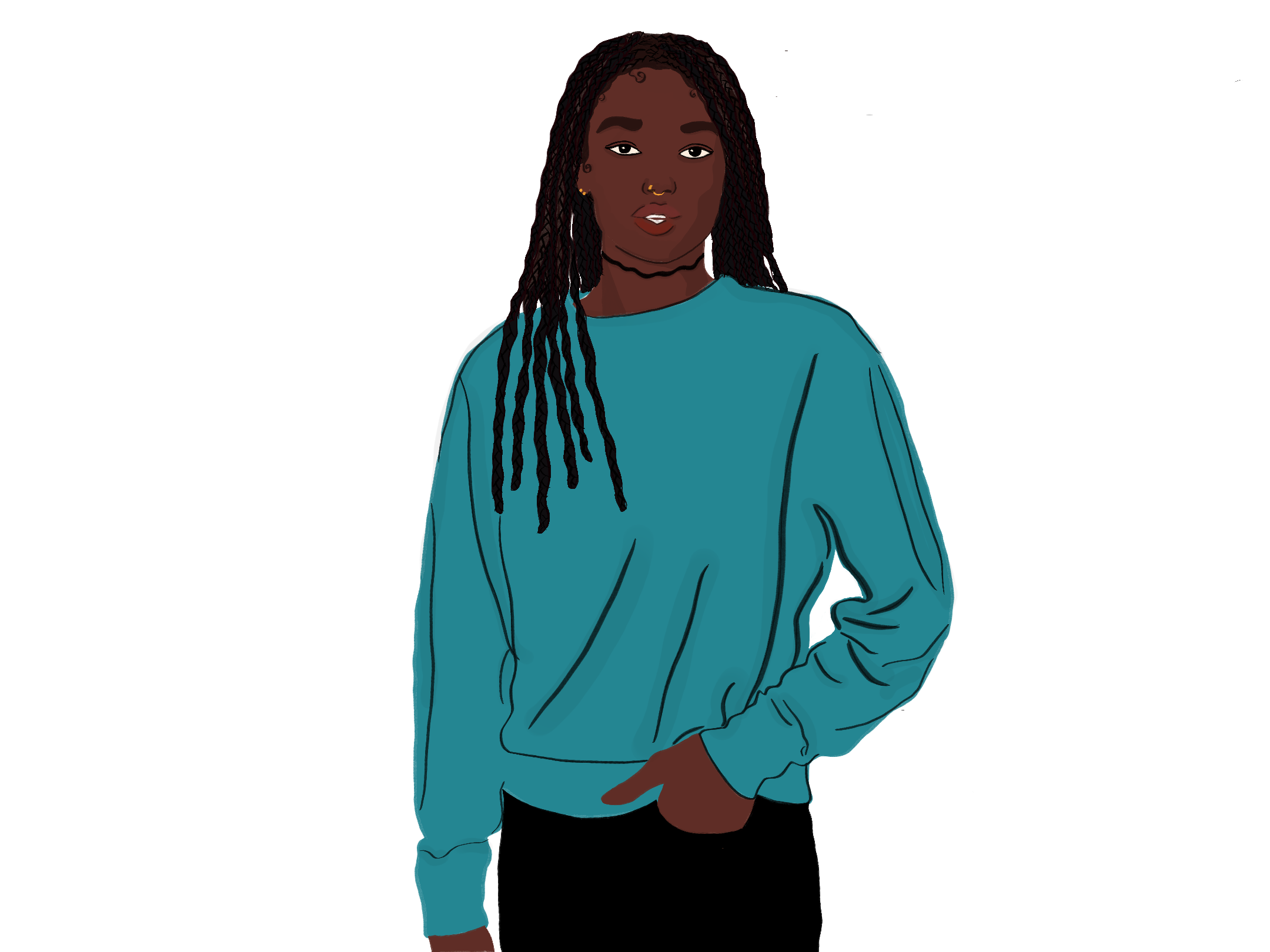
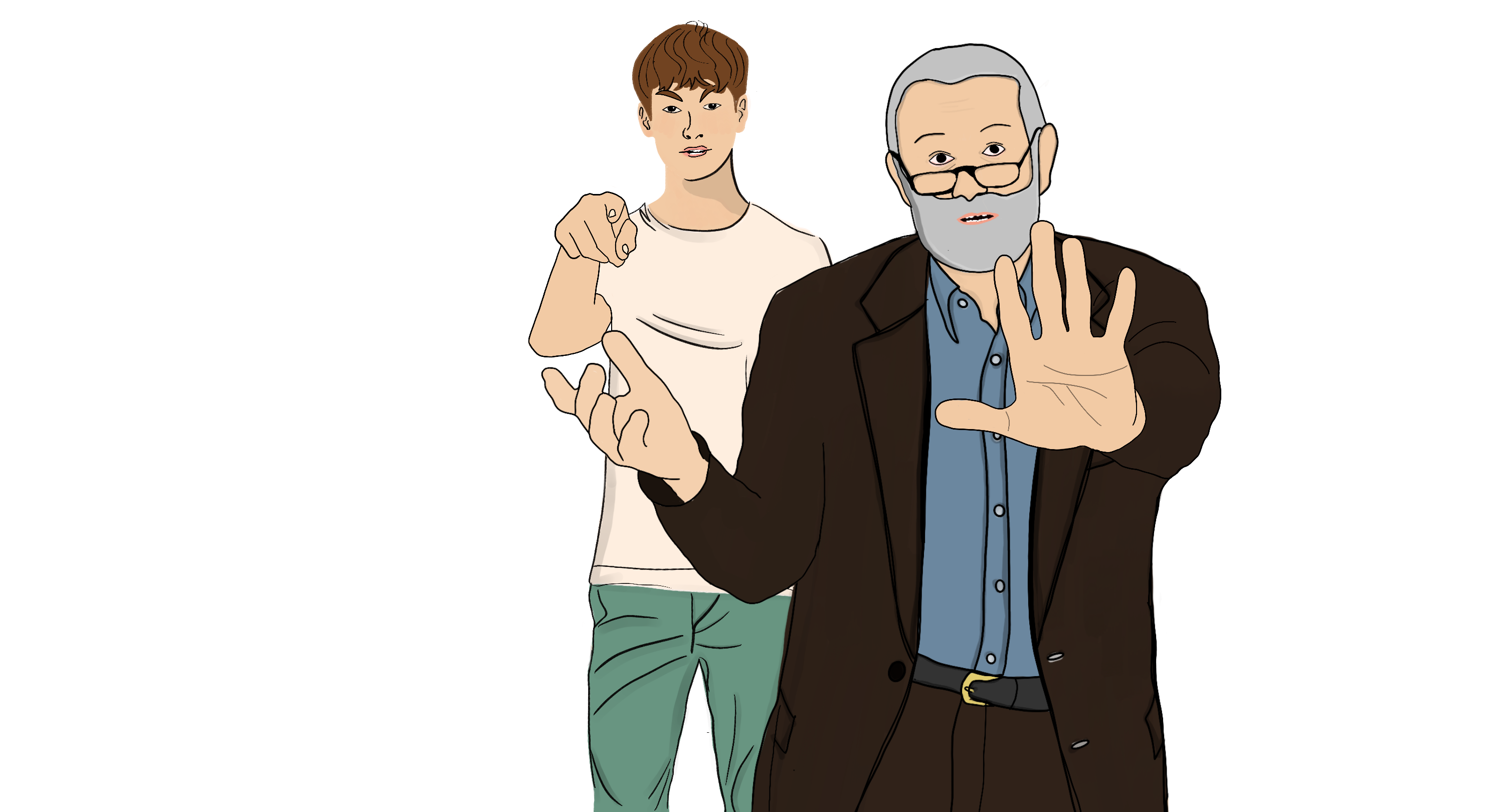
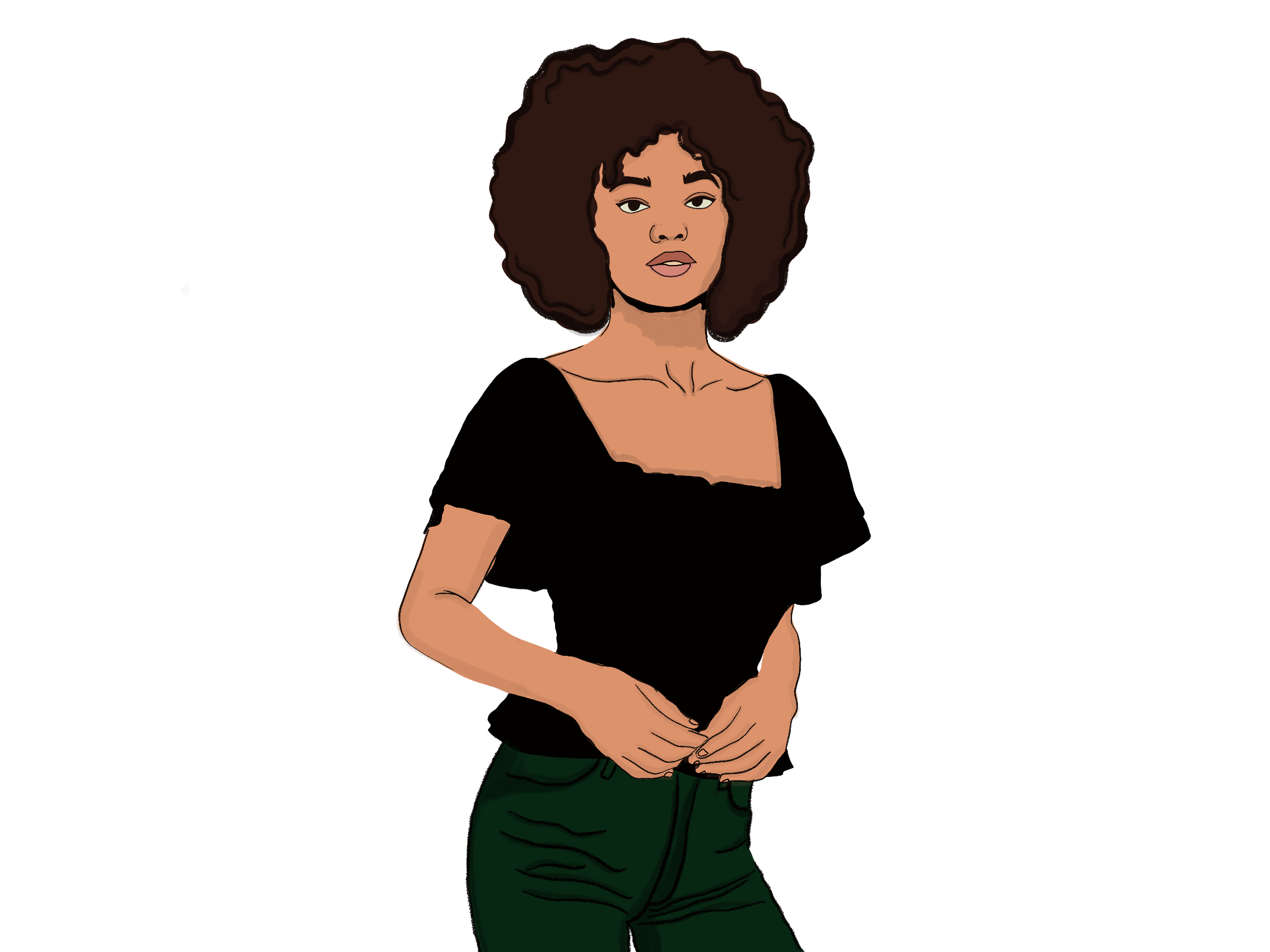
The following year, Fabrizio asked about collaborating with a professor, Jaswinder Bolina, who he had taken a creative writing course with. Together, we decided to hire students to create a writer's room.
Authentic Stories
We only asked students for a writing sample, and it didn't need to be creative writing. We hired eight students, none of whom had experience writing interactive stories.
We wanted to ground the conversations in lived experience, so the writers developed a survey asking students to describe uncomfortable encounters involving identity or appearance. Where did they happen? How did people respond? What did they wish they'd said or done differently? Could the relationship have been repaired?
Then we reversed the questions. Had they ever made someone else uncomfortable? How did they respond, and what might they do differently today?
The writers completed the survey themselves before working through the responses as a group and developing interactive conversations in Twine.
Weaving Together Eight Challenging Conversations
While the writers developed the conversations, the designers began prototyping ideas to bring these stories together cohesively. We decided to make the player the person who has to navigate all of these conversations in pursuit of a goal that would require everyone to work together. They would be given the task of producing a video for a social media challenge at their university. It worked as a band-aid, although the game was much too linear.
A Note on Academic Game Development
Academic game development has its own peculiar constraints. Unlike commercial production, we don't necessarily have financial deadlines driving release dates. But we're working within a four-year university cycle, and many students don't join a project until their final year.
I want students to leave with something tangible for their portfolios, which means finding opportunities to finish and publish work even when the larger project isn't complete. Once we had developed a few conversations and characters, we assembled our first Unity prototype.
Investing Time
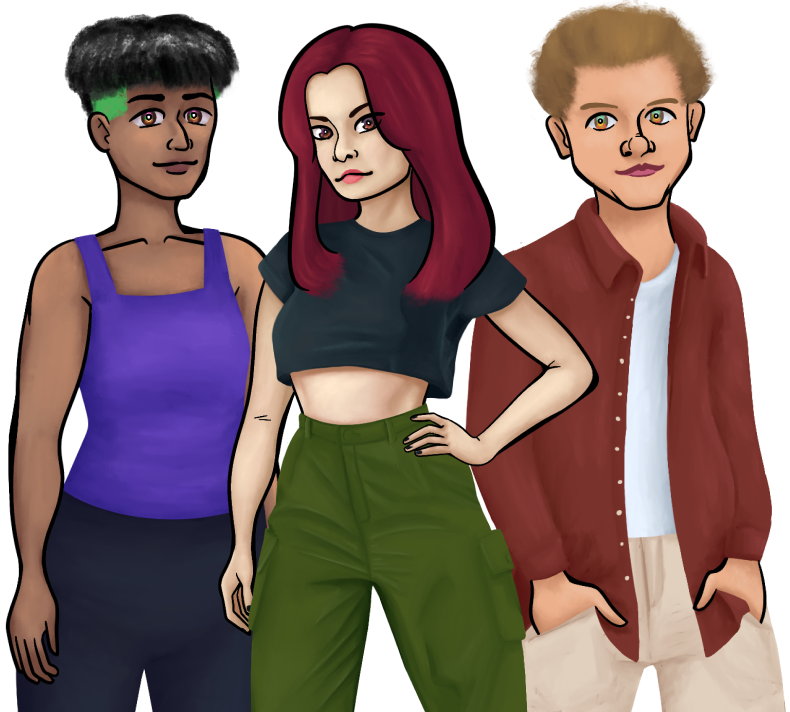
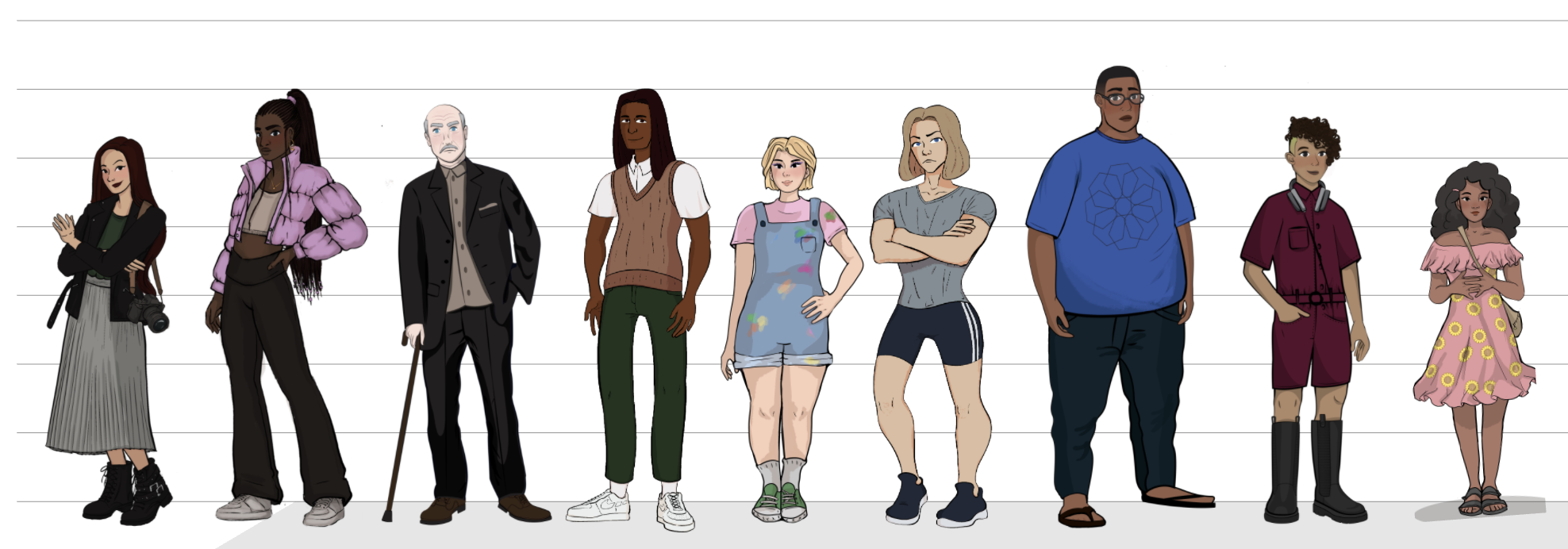
The core team felt we had an idea worth pursuing. My colleague Lorena Lopez joined the studio and began mentoring a team of artists. By then, the student responsible for the original concept art had graduated, and another student had revisited the characters in their own style.
Lorena and her team developed a set of visual standards so new artists could contribute without disrupting the game's overall aesthetic. What began as a practical response to student turnover would eventually become part of the shared creative infrastructure of the AnswerVerse.
It's a Launch
Publishing a game is one thing. Getting people to play it is another.
We launched Answer Campus on Steam in 2023. It was my first time publishing a game on the platform, and I was curious whether Steam could provide an audience for a student-developed social impact game without a marketing budget.
The reviews weren't particularly good, but over a thousand people played it. For a project that began as an experiment in collaborative storytelling, that was enough to give us something to learn from.


There's Something There
The characters weren't particularly deep, and the overarching story was too linear. Some of the choices felt more like rage bait than meaningful decisions. But the individual conversations had an authenticity that I thought was worth preserving, and the character art consistently received positive feedback.
The game was far from perfect, but the response at campus exhibitions and student competitions suggested that the underlying idea was worth developing further.
The "Next" Episode
The codebase and artwork gave us a starting point for whatever came next. I played the game with my game design students and offered them two options: iterate on the existing game or develop a sequel. They chose to iterate.
Meanwhile, another group of graduate students decided to use the same codebase to develop a standalone game. For the first time, we were thinking about Answer Campus as something larger than a single project: a shared game world that different groups of students could continue building upon.